
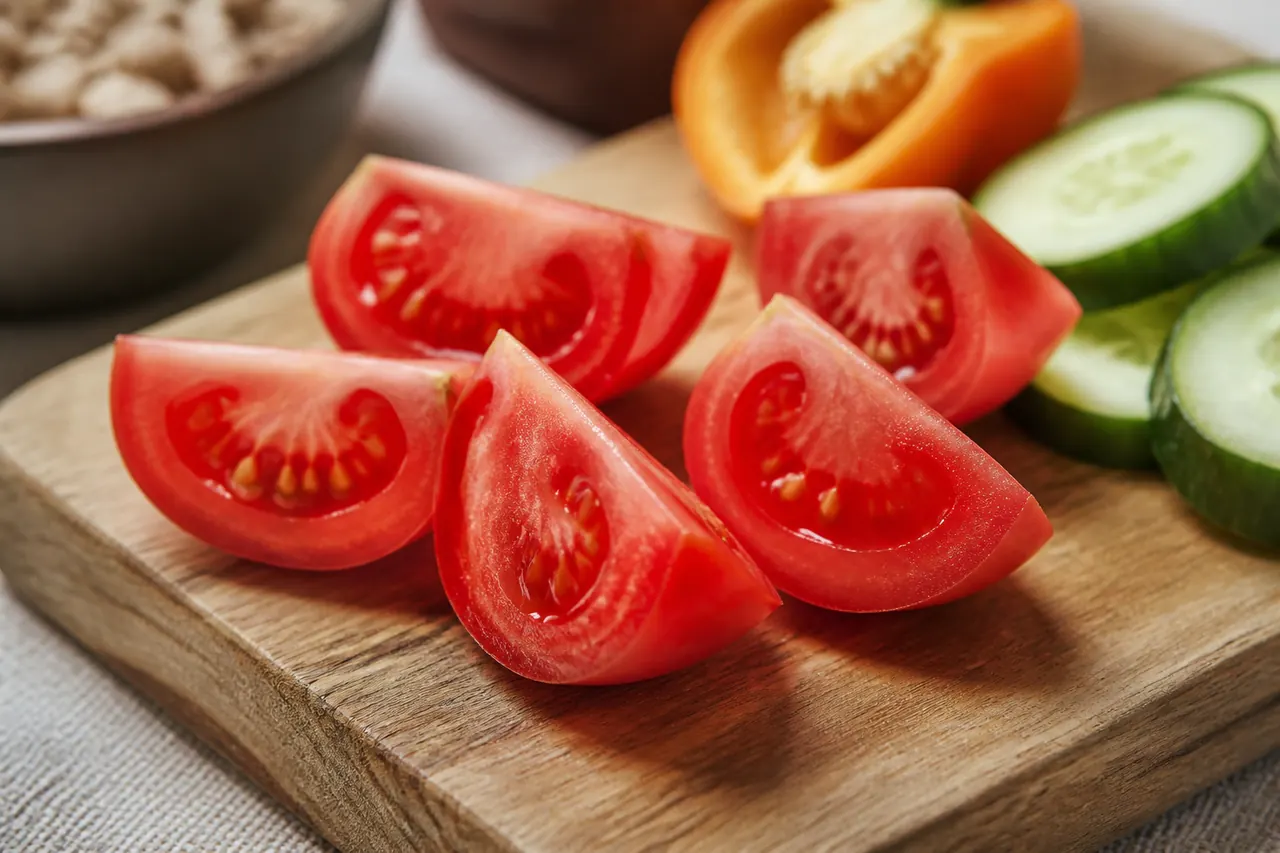
Can Guinea Pigs Eat Tomatoes? A Safe Feeding Guide
Quick answer
Key facts
Yes — guinea pigs can eat fully ripe tomato fruit in small, occasional portions. Never offer leaves, stalks, vines or unripe green tomatoes. Keep hay as the foundation of the diet.
- Only ripe tomato fruit is safe; green plant parts are not.
- Serve a small wedge or a few bite-sized pieces, not every day.
- Wash thoroughly and remove all attached green material first.
- Tomato adds vitamin C and moisture, but not the fibre hay provides.
Sharing fresh vegetables with your guinea pig can add variety to their diet, but tomatoes need a little more care than simply slicing and serving. The ripe fruit can be offered, while other parts of the tomato plant should stay well away from the cage.
So, can guinea pigs eat tomatoes? Yes, when the tomato is fully ripe, prepared correctly and given in a small portion. Tomatoes provide vitamin C and moisture, but they should be an occasional addition to a balanced diet built mainly around hay, suitable vegetables and species-specific pellets. For a wider produce list, see best vegetables for guinea pigs and the main feeding guide.
Ripe fruit only
Fully ripe tomato flesh can be an occasional treat — leaves, stalks and vines stay out of the enclosure.
Vitamin C bonus
Tomato contributes vitamin C and moisture, but it should never replace hay or everyday greens.
Keep portions small
A wedge or a few bite-sized pieces is enough; acidity means daily servings are rarely a good idea.
Are Tomatoes Good Food for Guinea Pigs?
Tomatoes can be a useful addition to the fresh vegetables you rotate through your guinea pig's diet. They contain vitamin C, potassium, water and antioxidants while being relatively low in calories.
Vitamin C is particularly important because guinea pigs are unable to produce it naturally. They must obtain enough through their daily diet. Tomato can contribute to that intake, although it should not be relied on as the main source. Bell peppers and suitable leafy greens can provide additional vitamin C and variety — covered in our vitamin C guide.
The high water content of tomatoes can also make them refreshing, but they do not provide the fibre needed to keep the digestive system working properly. Hay should therefore remain available throughout the day.
Tomatoes are also naturally acidic. Sometimes pigs may develop mouth irritation or digestive discomfort if they receive too much, which is why moderation matters.
Which Parts of Tomato Are Safe for Guinea Pigs?
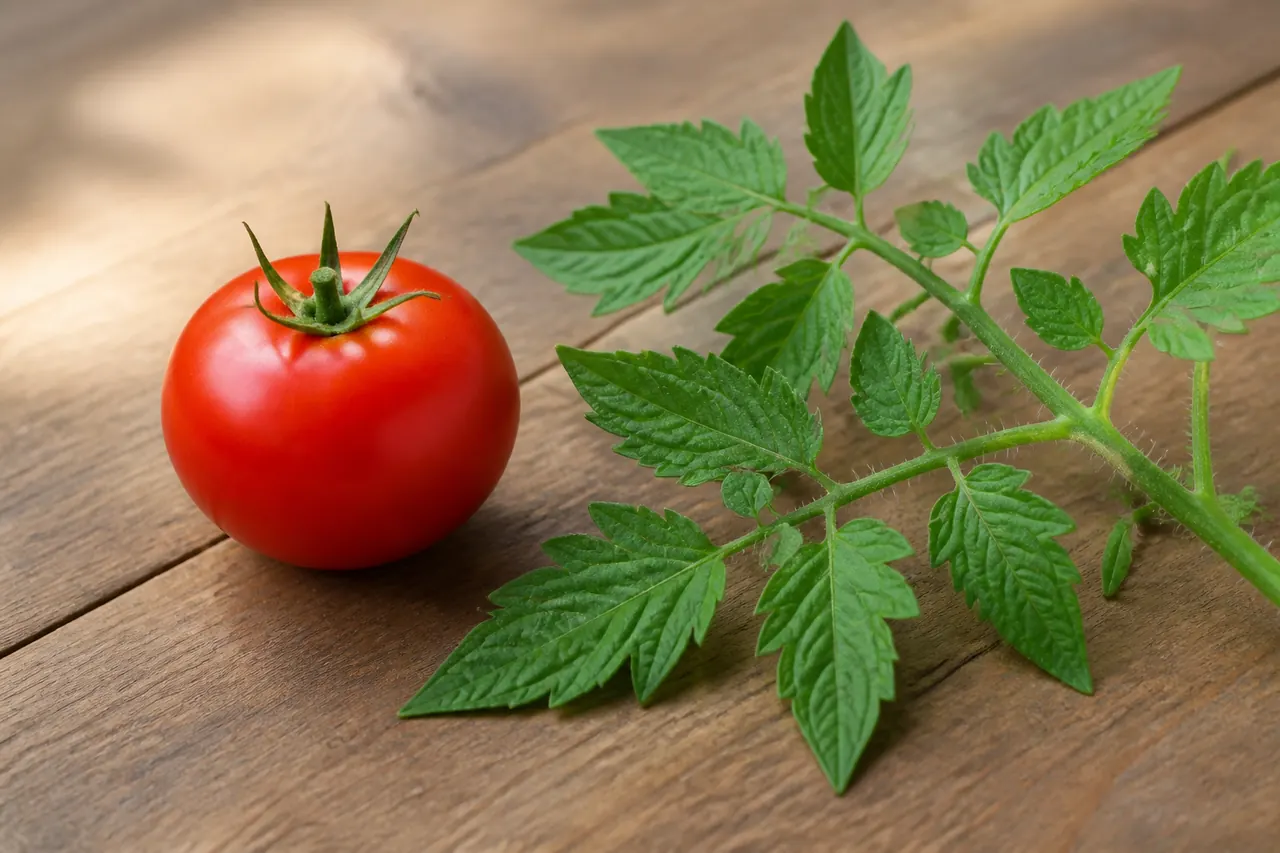
Knowing which part to serve is important because the ripe fruit and the green portions of tomato plants are not treated in the same way.
The ripened tomato fruit is suitable for an occasional serving. Wash it thoroughly and remove all attached green material first. The tiny seeds inside a ripe tomato can remain in the flesh and do not normally need to be removed.
The only safe part you should intentionally serve is the ripe fruit. Never offer tomato leaves or stalks, vines or other green portions of the plant. This is particularly important if you grow tomatoes at home, where a curious piggy could potentially reach the plant.
You should also avoid unripe green tomatoes. Keep the plant itself outside the enclosure and remove any green material attached to the fruit before serving.
Cherry and grape tomatoes can be offered when completely ripe, but their smaller size does not mean an entire tomato is automatically the right portion. Cut them into manageable pieces before serving.
Fresh tomato is a better choice than cooked or processed options, which may contain salt, onion, garlic, oils or seasonings unsuitable for a guinea pig diet. As a small animal can be sensitive to sudden dietary changes, introduce new ingredients gradually and monitor their appetite and droppings.
| Part | Guidance |
|---|---|
| Ripe red fruit | Safe in small, occasional portions |
| Tiny seeds in ripe flesh | Can stay; no need to remove |
| Cherry / grape tomatoes | Only when fully ripe; cut into small pieces |
| Leaves, stalks, vines | Do not feed |
| Unripe green tomatoes | Do not feed |
| Cooked / seasoned tomato dishes | Avoid — salt, oils and additives |
How Much Tomato Can You Give a Guinea Pig?
A little piece is enough. For a healthy adult, one small wedge or a couple of bite-sized pieces can provide variety without allowing tomato to dominate the vegetable portion of the diet.
There is no need to serve it every day. Guinea pigs are able to enjoy many different suitable vegetables, so rotating what you offer provides greater nutritional variety.
If you avoid feeding tomatoes too frequently, there is also less chance of their acidity causing irritation in sensitive animals. A guinea pig that shows loose stools, discomfort or irritation around the mouth after eating tomato should not be given another serving until the cause is clear.
- Choose fully ripe fruitUse red, ripe tomato only — skip unripe green tomatoes and anything still attached to the plant.
- Strip all green materialWash thoroughly and remove leaves, stalks and any green bits before cutting a small portion.
- Offer occasionally and watchServe a small wedge, then monitor appetite and droppings before offering tomato again.
The wider feeding routine should include unlimited good-quality hay, an appropriate amount of guinea pig pellets, fresh vegetables and clean drinking water. Hay is particularly important because its fibre supports normal digestion and helps wear down continuously growing teeth — see what guinea pigs should eat every day.
A guinea pig should also have enough room to move, forage and explore within a clean cage. Diet is only one part of maintaining good health.
If your guinea pig stops eating, develops persistent diarrhoea, becomes unusually quiet or appears unwell after trying something new, contact a vet. Loss of appetite can become serious quickly in these animals — use the health guide for urgent signs.
Should Guinea Pigs Eat Tomatoes as Part of Their Diet?
Tomato should be viewed as one ingredient within a much broader feeding routine. The foundation is fibre-rich hay or grass, which should be available throughout the day.
Fresh vegetables can then provide additional nutrients and variety. Bell pepper, cucumber and selected leafy vegetables can all play different roles in the rotation. Introducing several suitable options also prevents one favourite from becoming the entire fresh portion of the diet.
When considering any plant that guinea pigs can eat, remember that different parts of the same plant may not have the same safety profile. Tomato is a good example because the ripe fruit can be served while its leaves and stems should not.
Fruit and sweeter vegetables are better kept as occasional treats. Carrots, for example, can be included in less quantities rather than becoming an everyday staple. Occasional fruit ideas are covered in best fruits for guinea pigs.
Cucumber and ripe tomato can be served as part of the same vegetable selection. Both contain plenty of water, however, so balance them with fibre-rich ingredients rather than filling the bowl entirely with watery produce.
As with other little pets, some common foods that are perfectly suitable for people are not appropriate for guinea pigs. Onion, garlic and seasoned dishes should not be offered.
Tomato can therefore be a simple way to introduce a little extra variety. Keep the portion controlled, use only ripe fruit and make hay the foundation of the daily diet. Combined with appropriate vegetables, pellets, fresh water and proper care, this approach helps support a healthy and happy guinea pig.
Frequently asked questions
- Are tomato seeds safe?
- Yes. The tiny seeds naturally contained within fully ripe tomato flesh can be eaten with the fruit. There is generally no need to remove them before serving a portion.
- Can cucumber and tomato be served together?
- Yes. A small amount of cucumber can be served alongside ripe tomatoes. Both are water-rich vegetables, so they should complement rather than replace the fibre supplied by hay.
- What vegetables should be avoided?
- Onion and garlic should not be offered. Green tomato plant material should also stay out of reach. Always check an unfamiliar vegetable or plant before adding it to the diet, as different parts may have different safety considerations.
- What happens if a tomato leaf is accidentally eaten?
- Remove the remaining plant material immediately and seek professional guidance, especially if you do not know how much was consumed. Watch closely for reduced appetite, digestive changes, unusual behaviour or other signs of illness.